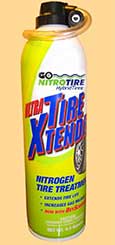
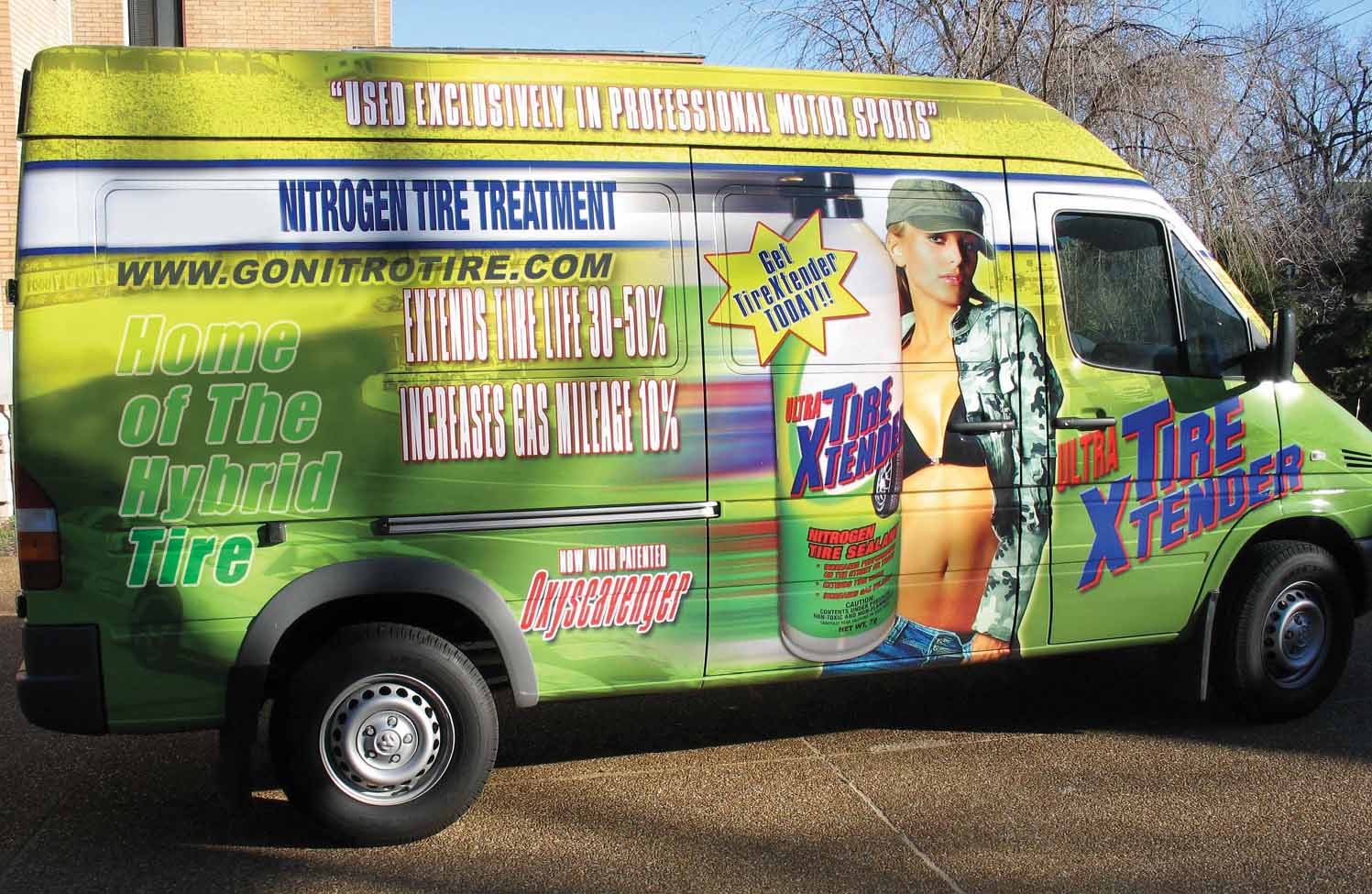
Nitrogen tire inflation improves fuel efficiency by maintaining proper tire pressure for a longer period of time. Proper tire pressure improves fuel efficiency anywhere from three to six percent. That might not seem like a lot, but with gas prices the way that they are, the less money we can throw away, the better.
Nitrogen-filled tires have a longer life because they don't have the corrosive properties that come with air-filled tires, mainly the oxygen and the water vapor. Not only does oxidation ruin the rubber in the tire, but both the oxidation and the water vapor can affect the aluminum and steel wheels on the inside.
Nitrogen-filled tires create a smoother, safer ride. With underinflated tires, there is less contact area between the tire and the road surface. This leads to reduced steering control and a greater potential for blowouts.
Nitrogen-filled tires are a way to go green. Over 300 million tires are disposed of every year, and nitrogen tire inflation can reduce this amount by 30%. Also consider the fuel savings as another way to go green and to cut down on carbon emissions.
Read More >

 Read EcoWatch Journal's August-September issue featuring their article "Nitrogen Tire Inflation Reduces Our Dependence on Foreign Oil".